
Origins of Gambling in Ancient Civilizations
The history of gambling stretches back thousands of years, with evidence of its practice found in ancient civilizations such as Mesopotamia, China, and Egypt. Archaeological findings suggest that dice, made from bone or ivory, were used in these early societies as a means of divination and entertainment. Rituals often accompanied these games, highlighting the belief that fortune was influenced by the gods. In modern contexts, players looking for engaging experiences might find that online casinos offer a wide range of exciting options.
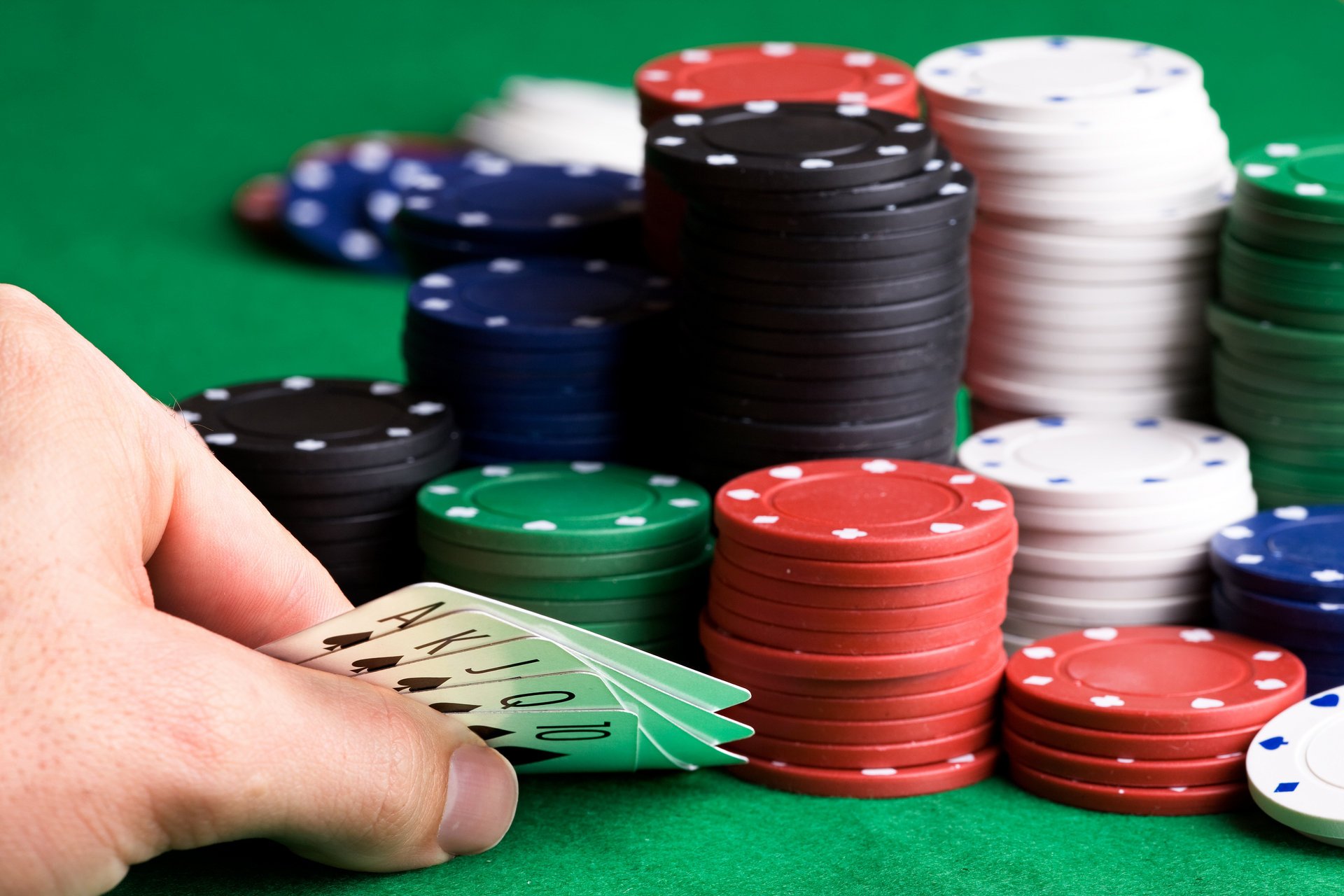
In ancient China, around 2000 BCE, a game known as "Keno" was played, which involved betting on numbers. This not only reflects early gambling's association with luck but also the social aspect it held within communities. These early practices laid the foundation for the organized forms of gambling we see today.
The Evolution Through the Middle Ages
As civilizations progressed, gambling began to take on new forms during the Middle Ages. In Europe, card games became popular, and the first gambling houses began to emerge. These establishments offered a variety of games, attracting the attention of nobles and commoners alike. The rise of gambling during this period was often met with resistance from religious authorities, leading to a complicated relationship with the activity.
Despite opposition, gambling thrived, particularly in Italy, where the first known casino, the Ridotto, was established in 1638. This venue allowed patrons to play games in a regulated environment, marking the transition from informal gatherings to more structured gambling establishments.
The Rise of Modern Gambling in the 19th Century
The 19th century marked a significant turning point for gambling, particularly with the advent of the industrial revolution and the expansion of the Western world. The popularity of casinos surged, particularly in cities like Monte Carlo, where the establishment of the Monte Carlo Casino attracted the elite and became synonymous with luxury and glamour. The introduction of games like roulette and poker further transformed gambling into a mainstream pastime.
This era also saw the emergence of betting on horse racing, which became immensely popular and established the groundwork for sports betting as we know it today. The combination of social acceptance and commercialization made gambling accessible to a broader audience, thus reshaping its cultural perception.
The Digital Revolution and Online Gambling
The late 20th century ushered in a technological revolution that drastically changed the landscape of gambling. The introduction of the internet allowed for the emergence of online casinos, making it possible for individuals to gamble from the comfort of their homes. This accessibility opened the floodgates for new forms of gaming, such as online slots and live dealer games.
Moreover, the advent of mobile technology has further expanded the reach of gambling, allowing users to engage with games on-the-go. Online gambling platforms have introduced various payment methods and promotional offers, enhancing the overall user experience and catering to a diverse audience. This shift has transformed gambling into a global phenomenon, breaking geographical barriers.
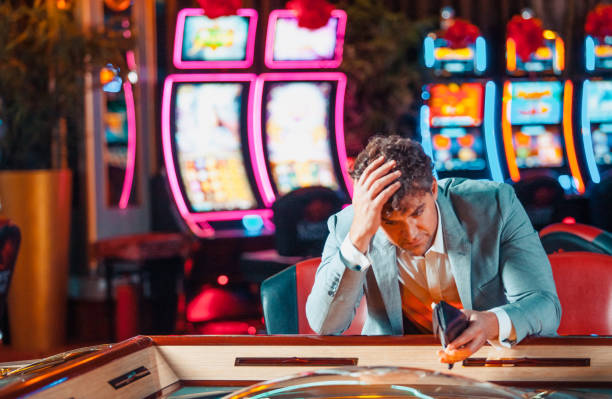
Discovering the Modern Online Gambling Experience
In today's digital age, the gambling landscape is more vibrant than ever, especially with a multitude of options available to players worldwide. Online casinos have become a crucial part of this evolution, offering exciting games and rewards that attract both novice and experienced gamblers. Players can explore an array of game selections, from classic card games to innovative live dealer experiences.
With robust regulations in place, many reputable online casinos ensure a safe and fair gaming environment. As technology continues to advance, the experience of online gambling is expected to evolve further, providing new features and immersive gameplay. Whether you're a beginner or a seasoned player, the world of online gambling offers endless opportunities for entertainment and excitement.