
Impact on Mental Health
Widespread gambling activities can have significant consequences on mental health within communities. Many individuals who engage in gambling may experience heightened levels of stress, anxiety, and depression, particularly when financial losses accumulate. The thrill of gambling often creates an addictive cycle, where individuals chase losses, leading to further emotional distress and mental health challenges. Players looking for a comprehensive gaming experience can visit rizzio.nz, where they can explore a variety of platforms.
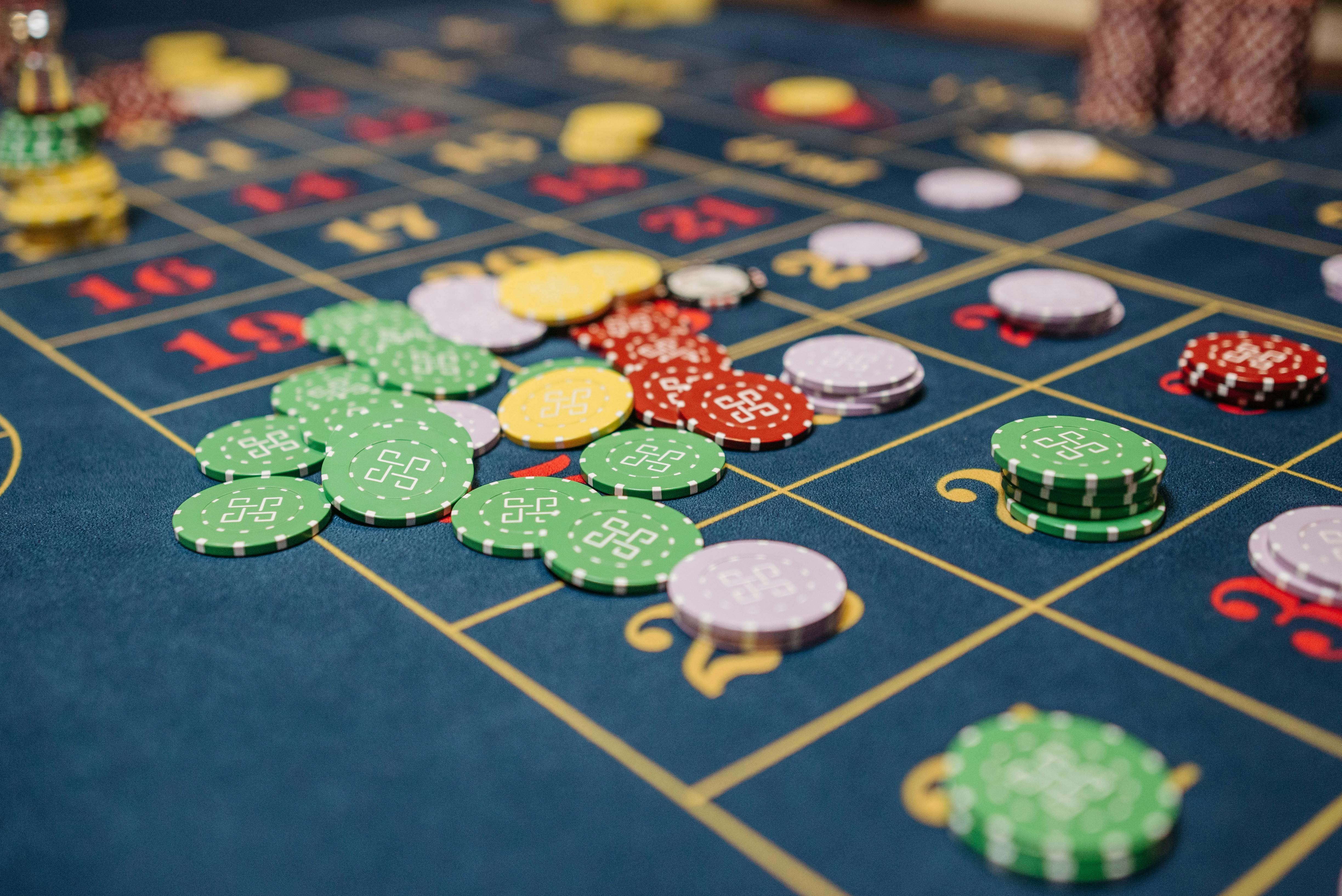
Moreover, the normalization of gambling in society can contribute to a desensitization towards risk-taking behaviors. This, in turn, can lead to an increase in gambling-related disorders, affecting not only the gamblers but also their families and social circles. Support systems may become strained as loved ones attempt to cope with the consequences of addiction, leading to a ripple effect of mental health issues within families.
Economic Consequences
The economic implications of widespread gambling activities are multifaceted. While proponents argue that gambling can boost local economies through job creation and tax revenues, the reality is often more complex. Increased gambling can lead to financial instability for many individuals, driving them to bankruptcy or severe debt, which can ripple through the local economy.
Additionally, communities may face increased costs related to social services and healthcare as a result of gambling addiction. The burden placed on public resources can outweigh the short-term economic benefits, ultimately leading to a net loss for communities heavily reliant on gambling revenues.
Social Disruption and Crime Rates
As gambling becomes more pervasive, social structures can suffer significant disruptions. Communities may witness increased crime rates associated with gambling, including theft, fraud, and domestic violence. Individuals desperate to fund their gambling habits may resort to illegal activities, jeopardizing community safety and cohesion.
Furthermore, gambling can alter social interactions within communities. It can create divisions between those who gamble responsibly and those who struggle with addiction, leading to stigmatization and isolation. The social fabric that binds communities together can fray as gambling takes precedence over traditional social activities and values.
Influence on Youth and Vulnerable Populations
The impact of widespread gambling activities is particularly pronounced among youth and vulnerable populations. Young people, often more susceptible to addiction, may be exposed to gambling through various media and social influences, normalizing risky behaviors. This exposure can lead to early onset gambling issues, potentially setting a pattern for lifelong addiction.
Vulnerable populations, including those from lower socioeconomic backgrounds, may find themselves disproportionately affected by gambling. Limited access to education and resources can exacerbate the challenges faced by these groups, making it more difficult for them to seek help or break free from the cycle of gambling addiction.

Exploring Responsible Gaming Solutions
As the consequences of widespread gambling become increasingly apparent, platforms like Rizzio Casino are stepping up to promote responsible gaming. By offering secure environments for gambling activities, they aim to mitigate some of the negative impacts associated with the industry. They provide educational resources and tools designed to help players gamble responsibly, such as setting deposit limits and offering self-exclusion options.
Rizzio Casino also emphasizes the importance of community engagement and support, recognizing that informed players are crucial in fostering a healthier gaming culture. By focusing on safety and player well-being, they strive to minimize the societal repercussions of gambling while still providing an enjoyable gaming experience.